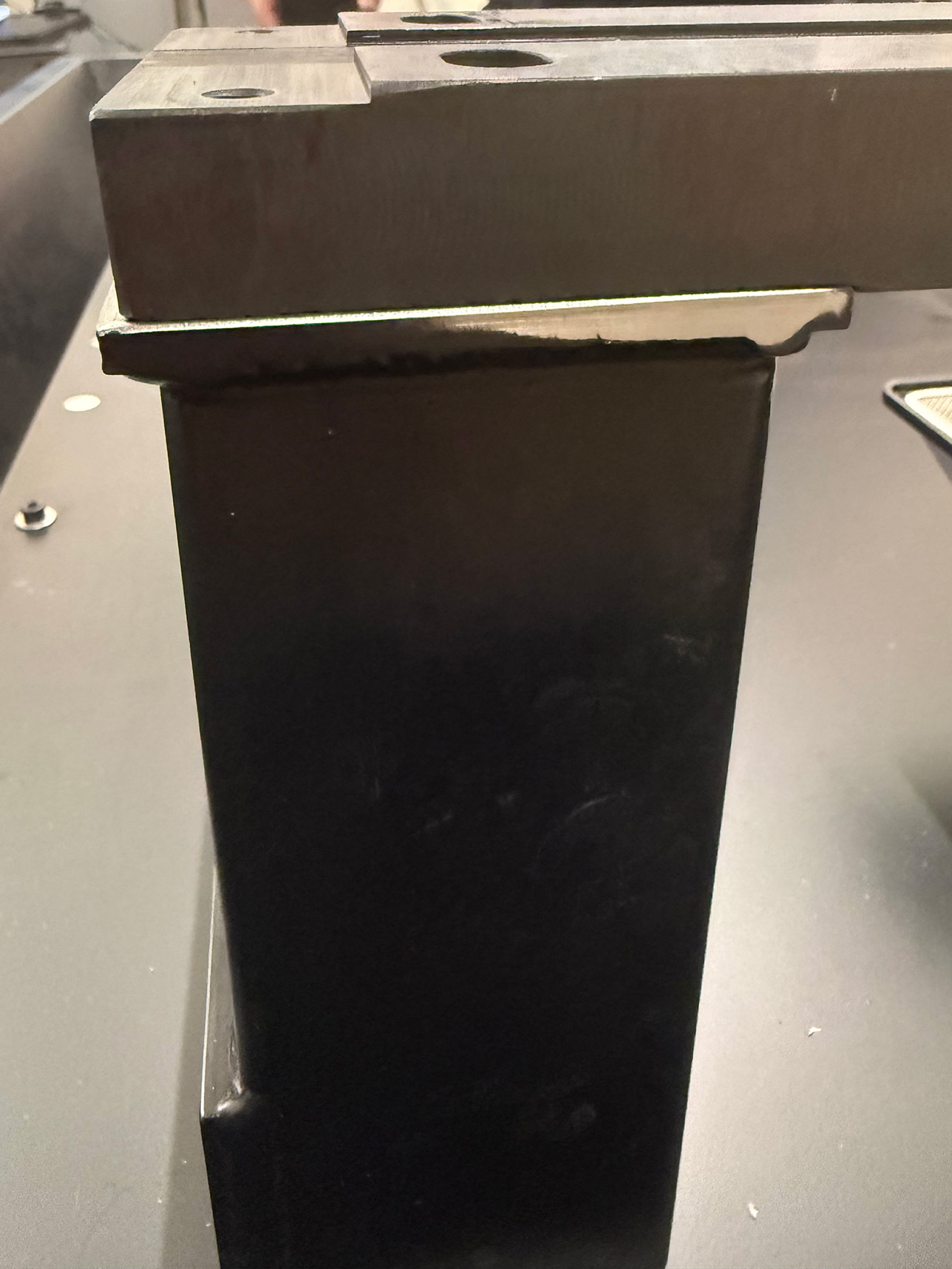
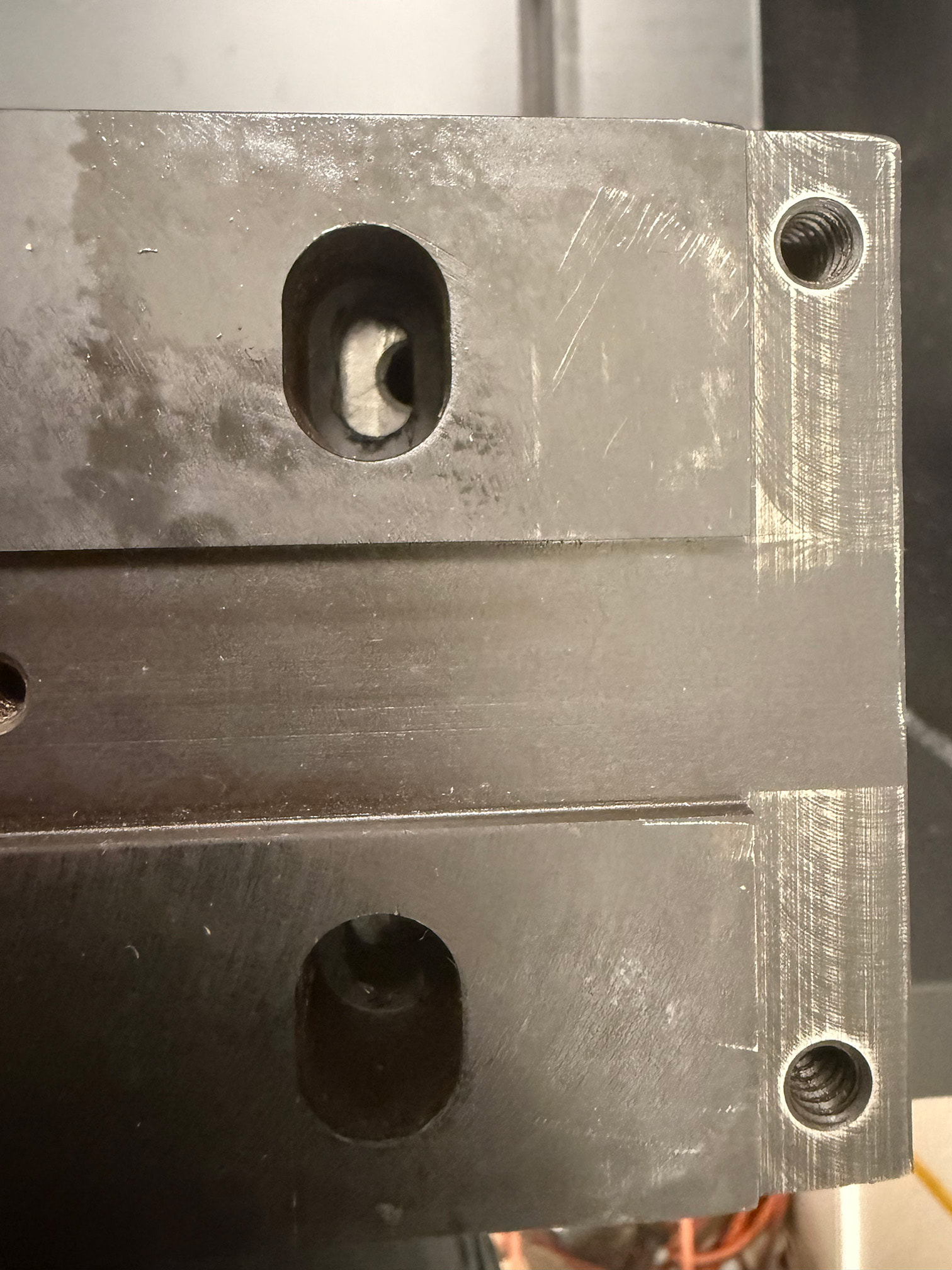
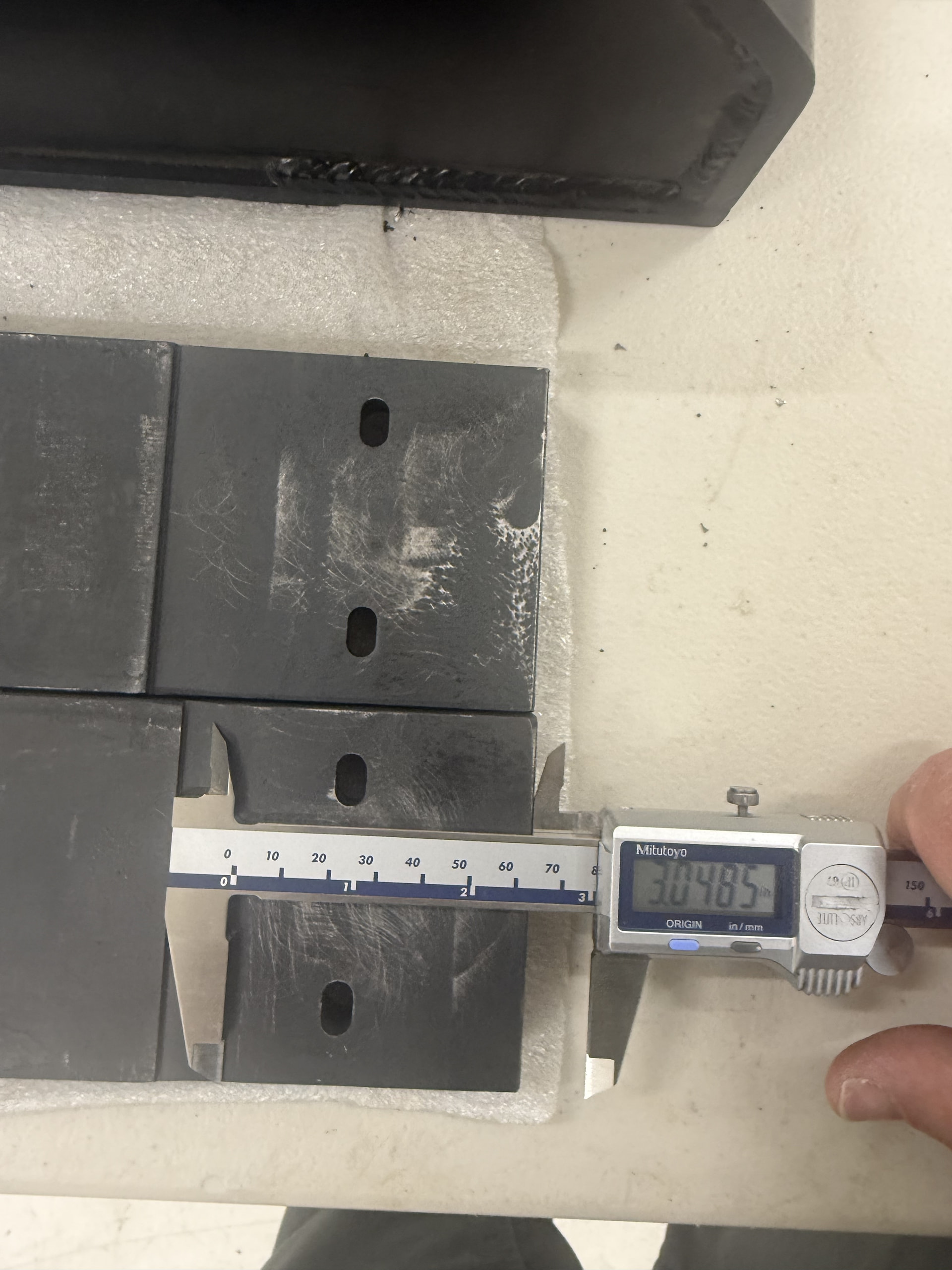
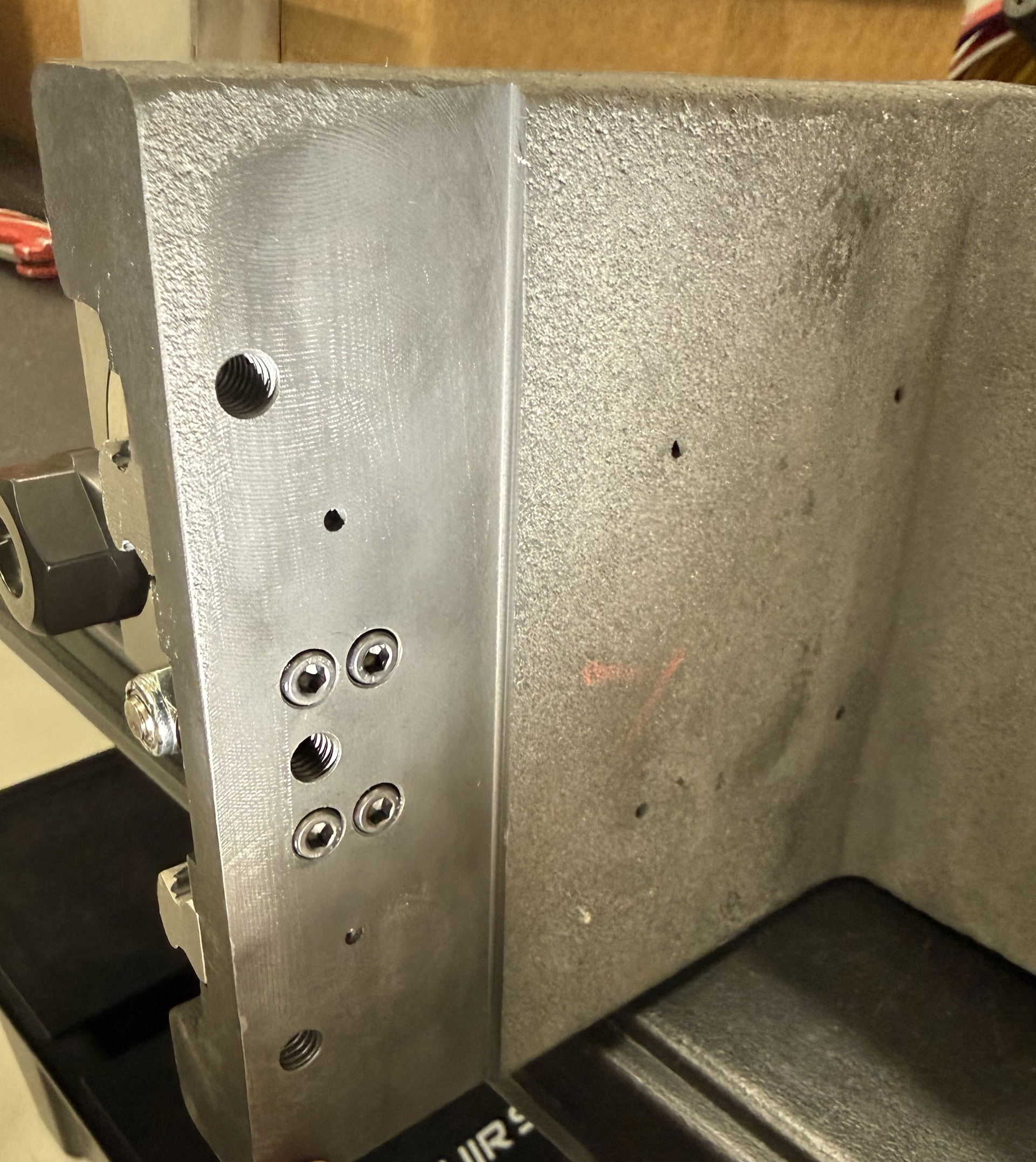
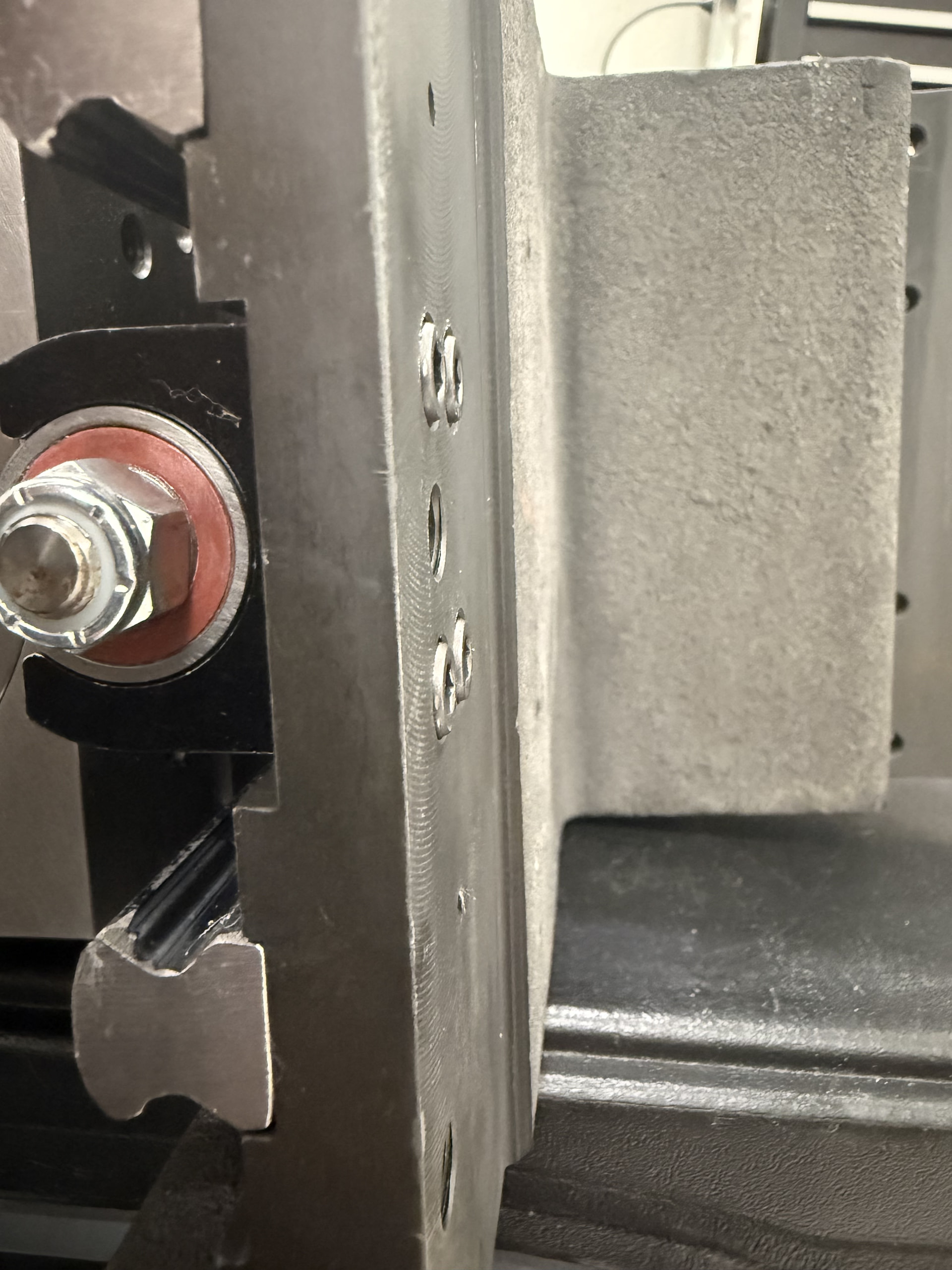
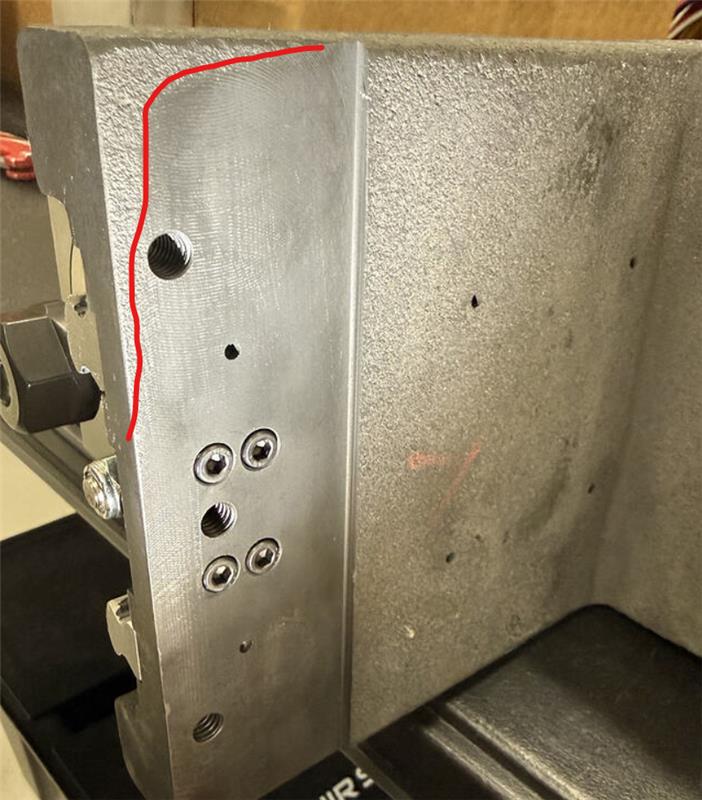
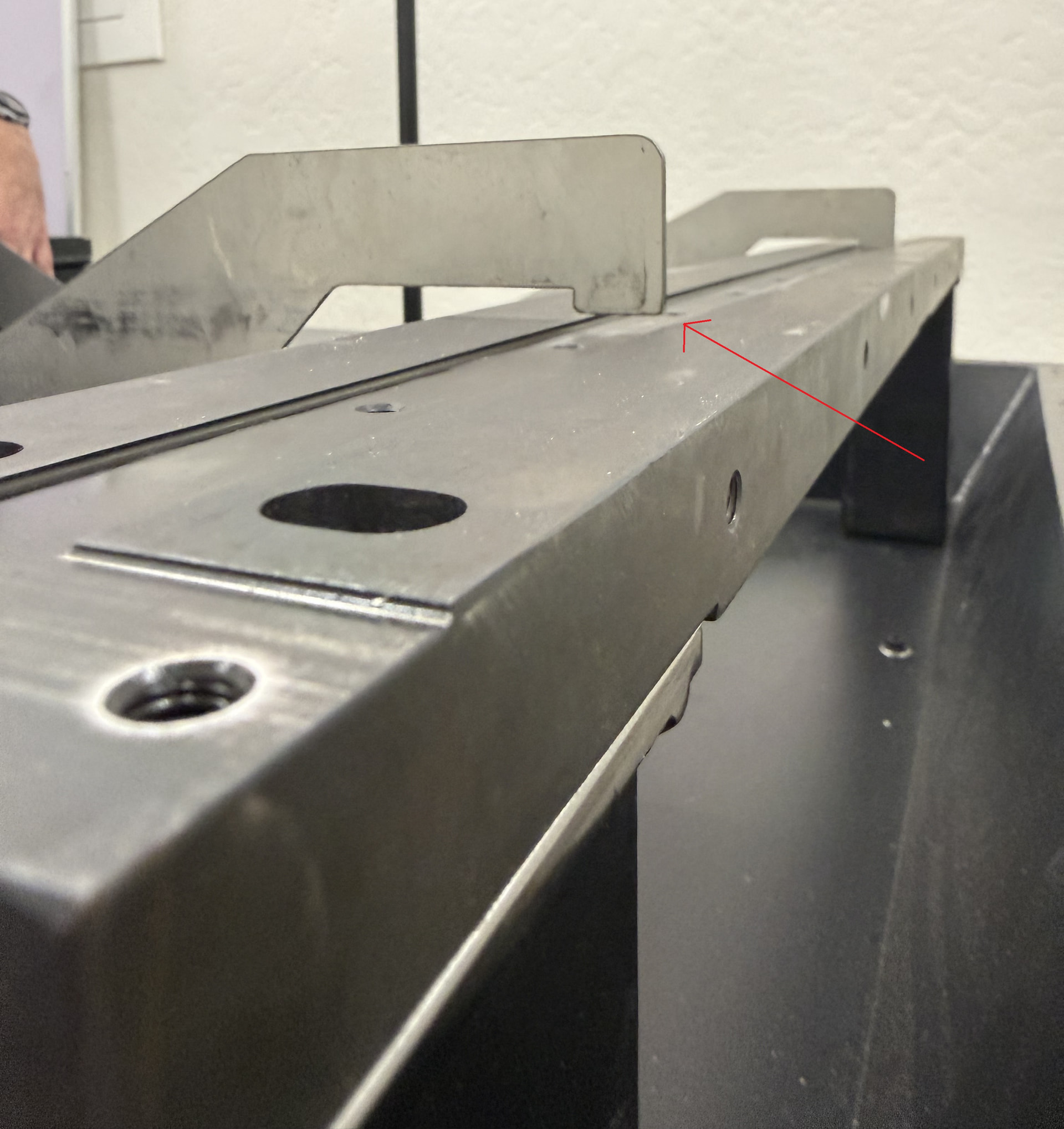
I just received my MR-1 and was pretty excited to assemble it. However, I wasn’t able to get to the concrete pouring because of some bad parts. The recessed surface on the bottom of one of the y-axis rails is too short and the bolt holes don’t line up with the support post. On the x-axis carriage, the casting is pretty bad and the bolt heads stick up 0.025" above the mating surface.
I reached out to support 5 days ago and still don’t have a resolution. They said they will ship me a new y-axis rail and some “ground down bolts” to replace in the x-axis carriage, neither of which they have shipped yet. When I mentioned the bad casting again, they said it was expected and with the ground down bolts it “will work just fine” with maybe some shimming.
I’m a little hesitant to put so many hours into building this machine when I’m not starting with good parts, but customer service seems unwilling to replace the x-axis carriage part, and I don’t know how critical this mating surface is to getting good results. In their assembly inspection videos, they place a lot of emphasis on making sure these mating surfaces are flat, but customer support doesn’t seem to think it’s important.
Has anyone else had parts like this and do you think this x-axis carriage with “ground down bolts” will be ok?
Sorry you are dealing with defective parts, and that is slowing down your assembly. I am sure they will take care of you. I don’t have any experience with the MR1 so I don’t know how critical those parts are. Maybe @Bigdaddy2166 can chime in.
I think @langmuir-jake is a good resource for questions on the MR1
That’s a first for me also. Email @langmuir-jake tomorrow. He is the right person to handle this issue. I reviewed your posted pictures, and that is totally unacceptable. He will handle it.
Hey @bigtony. The good news is that we do have some replacement parts on their way to you as of yesterday so they should arrive soon.
I think this surface is sufficient to support the Z axis carriage on the part - that specific reference surface is pretty big and as long as the casting defect is a small cavity rather than a bump it will not affect anything.
We sent some ground down bolts that should also do the job of keeping them from impacting the reference surface and messing with any Z axis calibration.
I also spoke with our MR-1 lead so that we can put in new procedures to check for that novel defect on the Y axis cold rolled bar going forwards.
Let me know if you see anything else strange and we’ll get it squared away.
Langmuir sent me a replacement y-axis rail, so I started continuing this build, but unfortunately I ran into more bad parts and had to stop again.
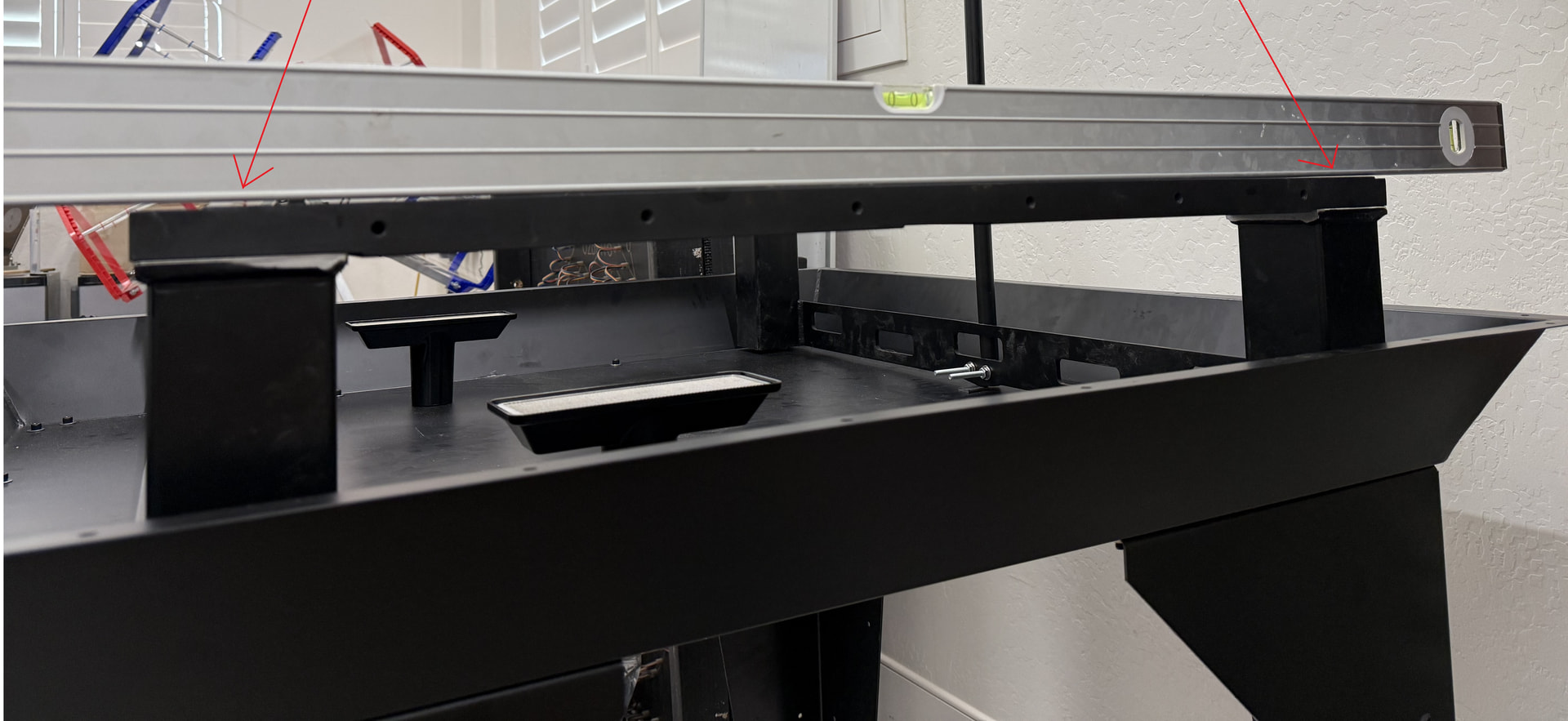
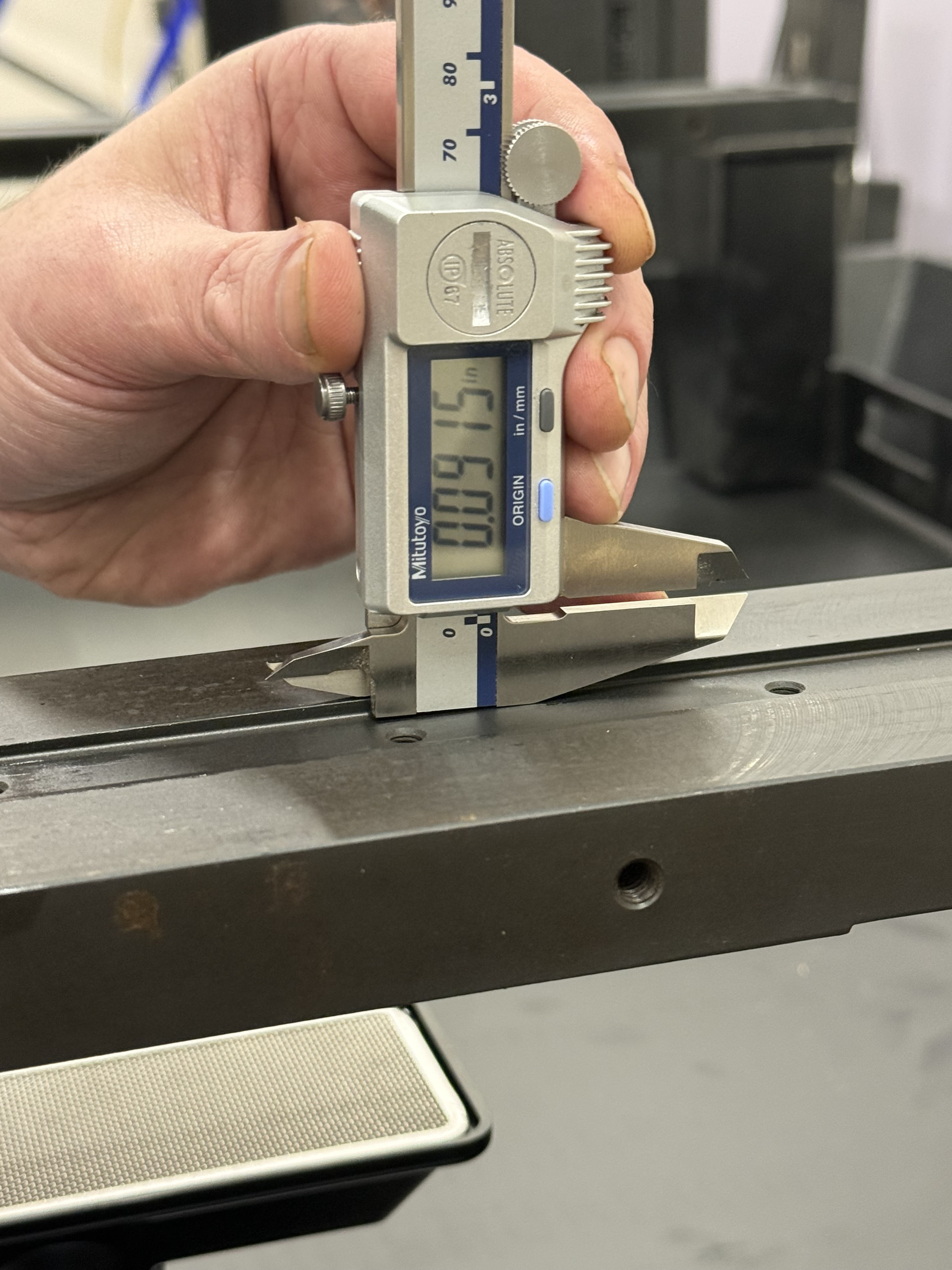
I discovered that the other y-axis rail I had originally is severely warped. It’s shaped like a frown (coincidentally how I’m feeling about Langmuir right now). When I put a level on it, there are significant gaps on both ends of the level and the machined area where the linear rail mounts varies in depth by 0.055" (deep in the middle and shallow at the ends). Langmuir only sent me one replacement rail for the one that was machined wrong, so I think this one needs to be replaced too.
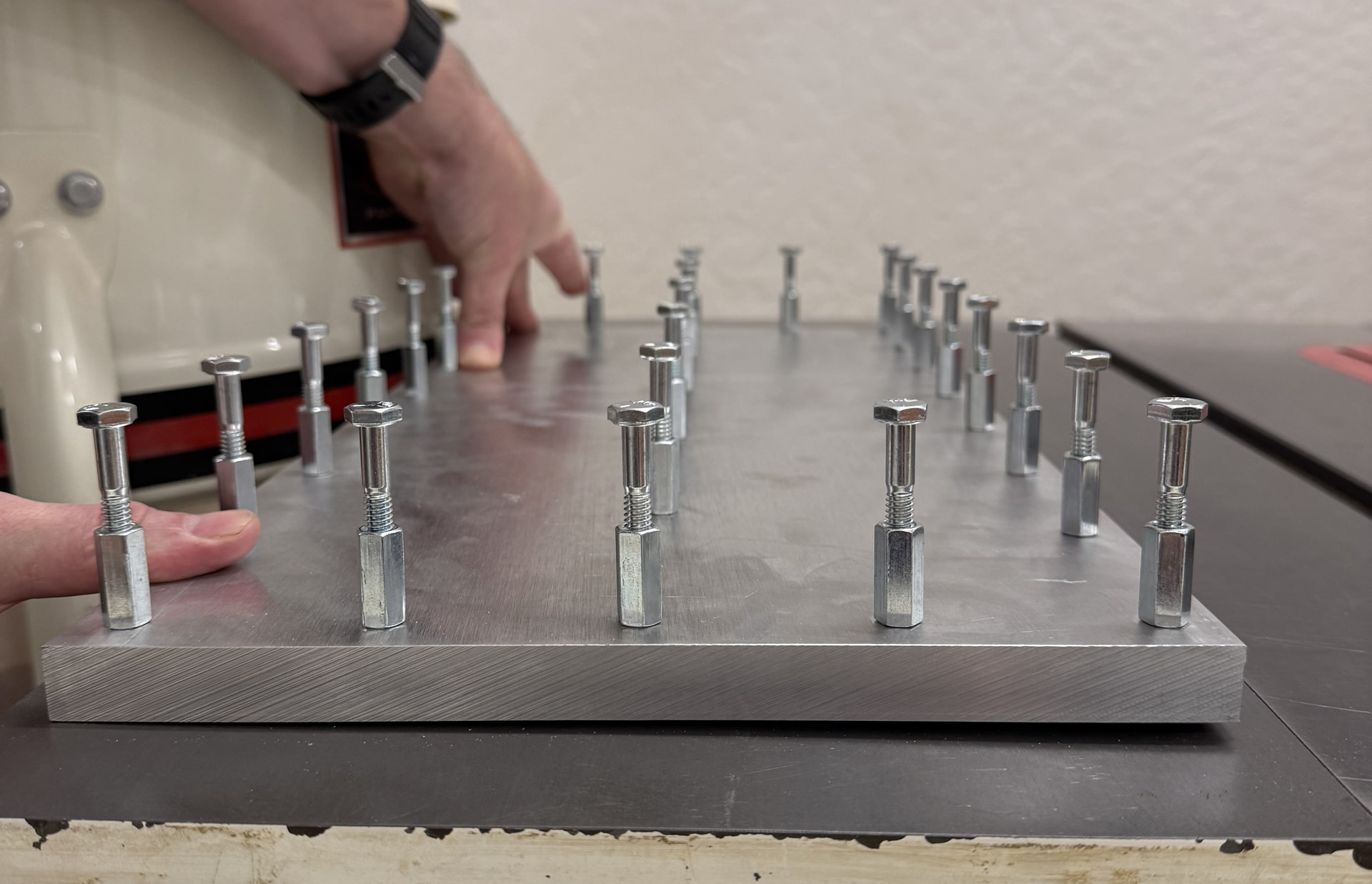
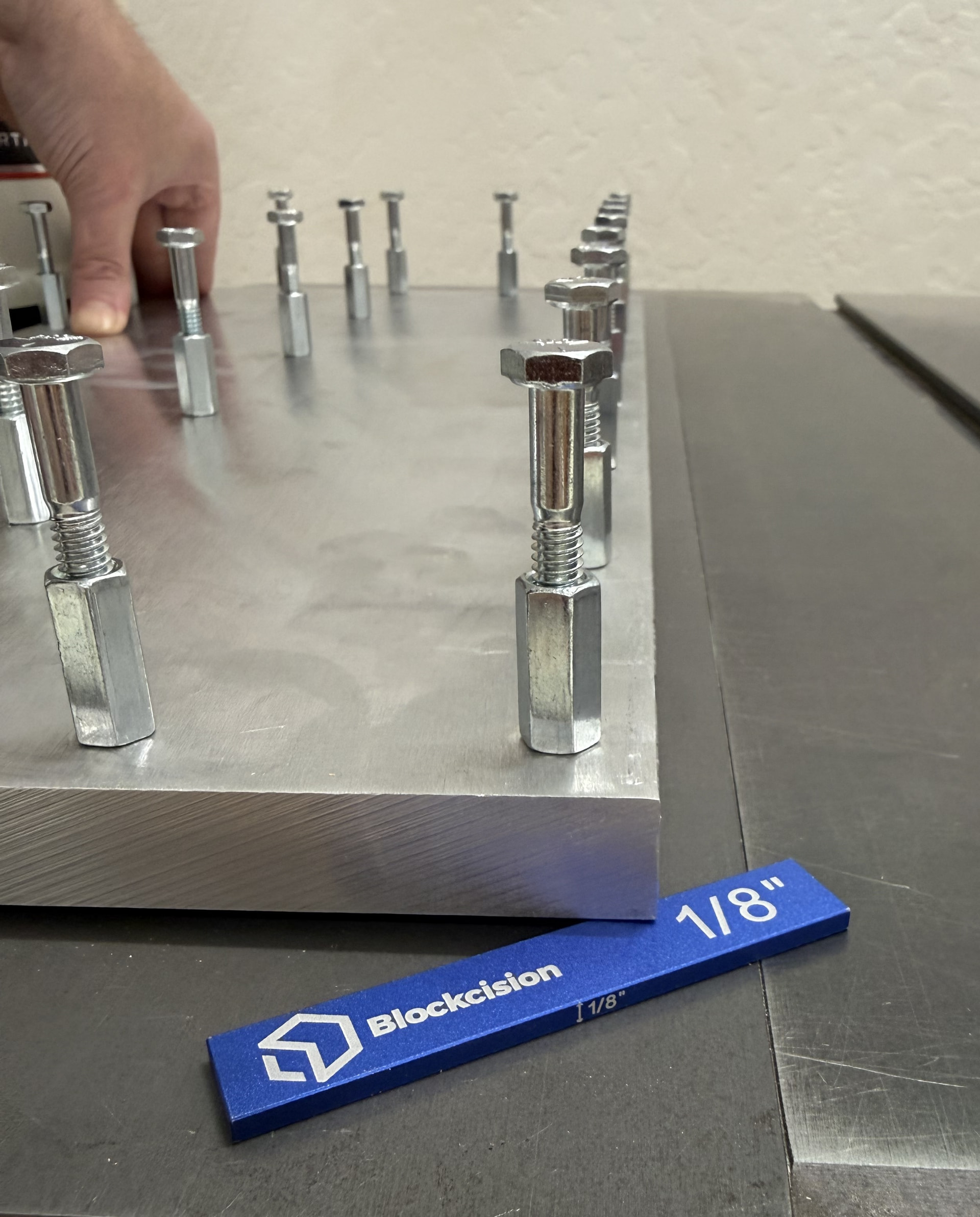
I checked the coplanarity of the y-axis rail surfaces anyways and they are within 0.005" of being coplanar, but the second issue is both of the aluminum baseplates are severely warped. When assembled with the baseplate positioners, the positioners do not rest on the y-axis rails (there is almost a 1/4" gap). I disassembled it and put the baseplates on my flat table saw surface and you can see the warp in the photos (more than 1/8" warped). I don’t see how this much warp could be corrected by surfacing this later, so I think these baseplates need to be replaced too.
Man oh man. The bow you cant fix. The waste olate gets surfaced so over the entire surface itll be a 1/16. That seems a bit more than about what i had to machine off to get a flat surface. I think i dod around .030